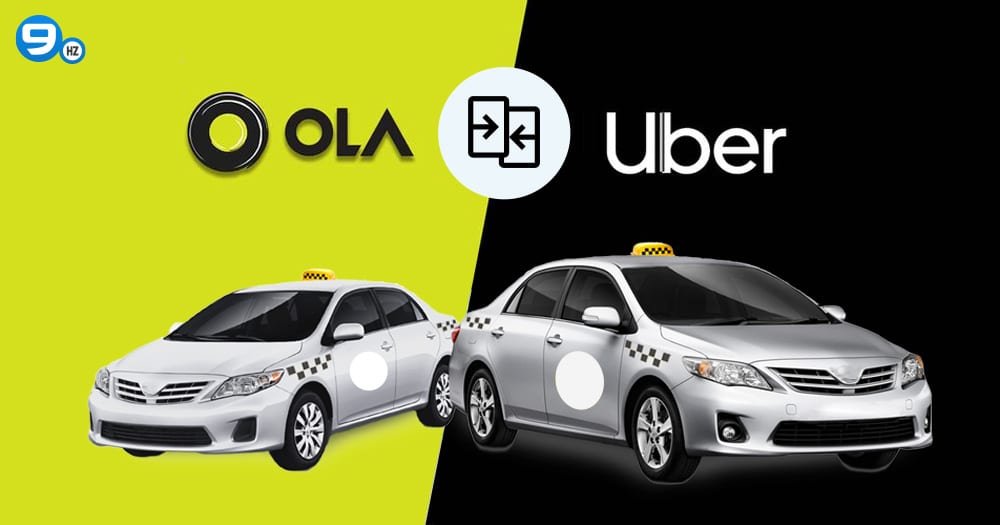
Ola and Uber operate in the same category but follow fundamentally different marketing philosophies.
While Uber focuses on global brand consistency, trust, and premium reliability, Ola prioritizes India‑first scale, affordability, and ecosystem expansion.
This contrast makes them an excellent case study in global vs local marketing strategy.
1. Core Brand Positioning
| Dimension | Ola | Uber |
|---|---|---|
| Brand Identity | Indian, mass‑market, disruptive | Global, premium, dependable |
| Core Promise | Affordable mobility for India | Reliable mobility everywhere |
| Emotional Hook | National pride, accessibility | Trust, safety, convenience |
| Brand Personality | Aggressive, bold, experimental | Calm, consistent, professional |
Key Insight:
- Ola positions itself as “India’s mobility company”
- Uber positions itself as “the world’s most reliable mobility platform”
2. Marketing Philosophy
Ola: Scale First, Brand Later
- Marketing driven by growth and expansion
- Product launches double as marketing campaigns
- Price and availability are primary acquisition levers
- Willing to experiment aggressively, even at reputational risk
Uber: Brand First, Scale Through Trust
- Marketing driven by brand trust and experience consistency
- Emphasis on safety, reliability, and predictability
- Expansion happens only after operational maturity
- Conservative, controlled brand communication
Key Difference:
Ola optimizes for reach and speed, Uber optimizes for trust and long‑term brand equity.
3. Product‑Led Marketing Approach
| Aspect | Ola | Uber |
|---|---|---|
| App Strategy | Super‑app (autos, bikes, EVs, rentals) | Focused app (rides + food/logistics) |
| Marketing Driver | New services & categories | Product reliability & UX |
| Expansion Logic | Enter fast, optimize later | Optimize first, then expand |
| Feature Messaging | Value & affordability | Safety & ease of use |
Ola treats new features as marketing moments.
Uber treats product stability as marketing.
4. Pricing & Promotions Strategy
Ola
- Heavy use of:
- First‑ride discounts
- Cashbacks
- Subscription passes
- Price is a core brand signal
- Frequently positions itself as cheaper than Uber
Uber
- Limited discounting
- Surge pricing communicated transparently
- Premium tiers (Uber Premier, Uber Black)
- Pricing reinforces quality and reliability
Result:
- Ola wins price‑sensitive mass users
- Uber wins high‑value, repeat users
5. Digital & Performance Marketing
| Area | Ola | Uber |
|---|---|---|
| Marketing Type | Performance‑heavy | Brand + performance mix |
| Key Channels | App ads, referrals, push notifications | Digital video, social, in‑app education |
| Data Usage | City‑level demand & pricing | User experience & safety insights |
| Optimization Goal | Cost per ride | Lifetime value & retention |
Ola runs marketing like a growth startup.
Uber runs marketing like a global consumer brand.
6. Localization vs Global Consistency
Ola
- Highly localized campaigns
- Regional languages, festivals, and pricing
- City‑by‑city execution
- Strong presence in Tier‑2 and Tier‑3 cities
Uber
- Global brand guidelines
- Local execution within strict brand framework
- More urban‑centric
- Less regional customization
Strategic Trade‑off:
- Ola feels more local and relatable
- Uber feels more consistent and premium
7. Founder‑Led vs Brand‑Led Marketing
| Dimension | Ola | Uber |
|---|---|---|
| Public Face | Founder‑driven | Brand‑driven |
| Narrative Style | Visionary, opinionated | Neutral, corporate |
| Risk Level | High | Low |
| Media Visibility | Aggressive | Controlled |
Ola leverages founder visibility as a marketing amplifier.
Uber deliberately avoids personality‑driven branding.
8. EV & Future‑Focused Marketing
Ola (Ola Electric)
- EVs positioned as:
- National innovation
- Sustainability + sovereignty
- Tech‑product launches (Apple‑style)
- Direct‑to‑consumer EV marketing
Uber
- EVs positioned as:
- Platform choice
- Environmental responsibility
- Partner‑led (fleet operators, automakers)
Key Difference:
Ola markets ownership and manufacturing.
Uber markets access and enablement.
9. Customer Loyalty Strategy
| Loyalty Driver | Ola | Uber |
|---|---|---|
| Loyalty Type | Functional | Emotional + functional |
| Retention Mechanism | App ecosystem & pricing | Experience consistency |
| Brand Love | Moderate | High |
| Switching Cost | Low | High |
Ola builds loyalty through utility and habit.
Uber builds loyalty through trust and predictability.
Strategic Summary: Ola vs Uber
| Dimension | Ola Wins | Uber Wins |
|---|---|---|
| Market Penetration | ✅ | |
| Tier‑2/Tier‑3 Reach | ✅ | |
| Affordability Perception | ✅ | |
| Brand Trust | ✅ | |
| Global Consistency | ✅ | |
| Premium User Base | ✅ | |
| Ecosystem Expansion | ✅ | |
| Long‑Term Brand Equity | ✅ |
Final Takeaway
- Ola’s marketing strategy is built for emerging markets where price, availability, and local relevance matter most.
- Uber’s marketing strategy is built for global scalability, trust, and long‑term brand strength.
Neither strategy is “better” universally—they are context‑specific.
Ola focuses on being used first.
Uber focuses on being trusted forever.