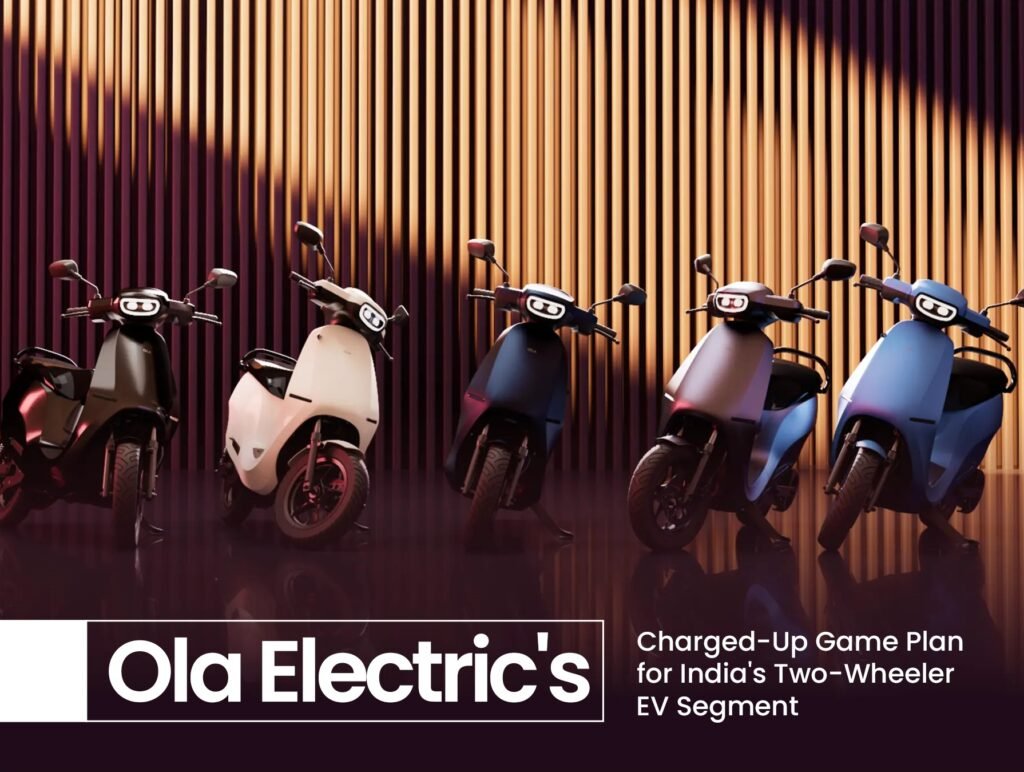
Ola’s marketing strategy is a classic example of India-first, scale-driven, and disruption-led branding. Unlike global consumer brands that rely heavily on emotional storytelling or traditional advertising, Ola has grown primarily through product innovation, aggressive expansion, technology positioning, and ecosystem creation.
Over the years, Ola has evolved from a ride-hailing startup into a multi-vertical mobility and electric vehicle (EV) brand, and its marketing strategy has evolved accordingly—from customer acquisition to nation‑building narratives.
Executive Snapshot: Ola’s Core Marketing Pillars
| Pillar | Strategic Focus |
|---|---|
| Brand Positioning | Indian innovation, affordability, scale |
| Growth Model | App‑led, usage‑driven adoption |
| Core Channels | Digital, app ecosystem, performance marketing |
| Expansion Strategy | City‑by‑city hyperlocal penetration |
| Product‑Led Marketing | New categories drive brand relevance |
| EV Branding | Sustainability + national pride |
| Competitive Play | Price disruption & availability |
| Loyalty | App ecosystem & service bundling |
1. Brand Positioning: Built for India, Built at Scale
Ola positions itself as a homegrown Indian brand solving Indian mobility problems.
Core Brand Themes
- Accessibility and affordability
- Technology-driven convenience
- Large-scale impact
- “Made in India, for India” narrative
As Ola expanded into EVs, this positioning strengthened into national pride and future readiness, positioning Ola not just as a company, but as a symbol of India’s tech ambition.
2. Product‑Led Growth: The App Is the Primary Marketing Channel
Ola’s strongest marketing asset is its super‑app ecosystem.
How Product‑Led Marketing Works at Ola
- App download → service discovery → repeat usage
- Price transparency and instant availability
- Seamless onboarding for drivers and riders
Every new service introduced (autos, bikes, rentals, EVs) becomes a marketing event in itself, driving organic adoption through utility rather than storytelling.
3. Aggressive Market Expansion & Hyperlocal Strategy
Ola’s growth has been fueled by rapid geographic expansion, especially in Tier‑2 and Tier‑3 cities.
Key Expansion Tactics
- City‑specific pricing and offers
- Local language communication
- On‑ground driver acquisition programs
- Regional festival‑led promotions
This hyperlocal approach allowed Ola to outscale competitors quickly, making availability its biggest differentiator.
4. Performance & Digital‑First Marketing
Unlike legacy brands, Ola relies heavily on digital performance marketing.
Core Channels
- App store optimization
- Paid search and social media ads
- Push notifications and in‑app offers
- Referral and cashback programs
Marketing spend is closely tied to:
- Ride frequency
- Customer lifetime value
- City-level demand patterns
This data‑driven approach ensures high ROI and rapid experimentation.
5. Pricing & Promotions as a Strategic Weapon
Ola uses pricing as marketing.
Promotional Tactics
- Heavy first‑ride discounts
- Subscription models (Ola Pass)
- Cashback partnerships with wallets and banks
- Surge‑price counter messaging
Rather than brand‑led premium positioning, Ola focuses on value perception, making affordability a core part of its brand promise.
6. Ola Electric: Marketing Beyond Mobility
With Ola Electric, the brand’s marketing narrative shifted significantly.
EV‑Focused Brand Themes
- Sustainability and clean energy
- National manufacturing capability
- Technology leadership
- Future‑ready India
Ola Electric’s launches are marketed like consumer tech events, not automotive releases—using:
- Founder‑led storytelling
- Social media buzz
- Direct‑to‑consumer sales model
- Minimal dealership dependency
This repositioned Ola from a service brand to a product and innovation brand.
7. Founder‑Led & Vision‑Driven Marketing
Ola’s marketing is heavily influenced by founder visibility.
Impact of Founder‑Led Branding
- Strong media presence
- Bold, opinionated narratives
- Clear long‑term vision communication
This creates:
- High brand recall
- Strong supporter and critic communities
- Continuous conversation around the brand
While polarizing at times, it keeps Ola constantly in public discourse.
8. Competitive Positioning: Disruption Over Differentiation
Ola rarely competes on emotional storytelling or lifestyle branding.
Instead, it competes on:
- Availability
- Price
- Speed of expansion
- Category creation
Competitive Strategy
- Enter early, scale fast
- Undercut pricing where required
- Expand services faster than rivals
Ola’s strategy is not to be “liked first” but to be used first.
9. Customer Retention & Loyalty
Ola’s loyalty strategy is functional rather than emotional.
Retention Drivers
- App ecosystem convenience
- Multiple services in one app
- Subscriptions and passes
- Habit formation through daily use
Loyalty is built through utility and frequency, not brand love alone.
Key Takeaways: Why Ola’s Marketing Works
✅ India‑first, scale‑driven positioning
✅ Product acts as the primary marketing engine
✅ Hyperlocal execution enables rapid adoption
✅ EV narrative elevates brand ambition
✅ Pricing and availability beat storytelling
✅ Founder visibility keeps the brand relevant
Final Thought
Ola’s marketing strategy proves that in emerging markets, scale, access, and utility can outperform traditional brand building. By focusing on technology, expansion, and ecosystem thinking, Ola has built one of India’s most influential consumer brands—one that continues to evolve from mobility to manufacturing and energy.