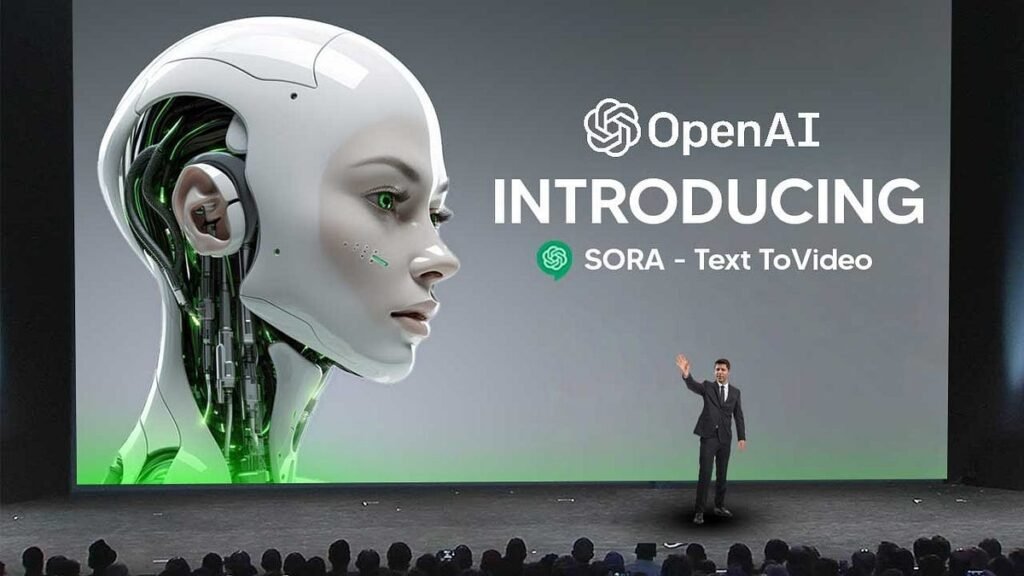
Unlike traditional consumer companies, OpenAI has built one of the world’s most powerful brands without relying on conventional advertising. Its marketing strategy is rooted in product-led growth, thought leadership, partnerships, and cultural relevance, making OpenAI a defining case study in modern B2C and B2B marketing.
Over the past few years, OpenAI’s approach has transformed it from a niche AI research organization into a globally recognized technology brand used by individuals, enterprises, developers, and governments alike.
Executive Snapshot: OpenAI’s Core Marketing Pillars
| Pillar | Strategic Focus |
|---|---|
| Brand Positioning | Safe, useful, and human‑centric AI |
| Growth Model | Product‑led, usage‑driven adoption |
| Distribution | Platform partnerships & integrations |
| Content Strategy | Thought leadership & education |
| Community | Developers, creators, enterprises |
| Trust & Ethics | Safety, governance, transparency |
| Monetization | Freemium → subscription → enterprise |
| Competitive Edge | Ecosystem dominance, not ads |
1. Brand Positioning: “AI That Works for Humans”
OpenAI positions itself not as a flashy tech brand, but as a responsible innovator shaping the future of AI.
Core Brand Themes
- Human‑centric AI (assistive, not replacing humans)
- Trust, safety, and responsibility
- Democratization of advanced AI
Unlike competitors that emphasize raw technical power, OpenAI emphasizes practical usefulness—AI that helps people write, code, learn, analyze, and create.
This positioning makes OpenAI:
- Approachable for everyday users
- Credible for enterprises and governments
- Aspirational for developers and researchers
2. Product‑Led Growth: The Product Is the Marketing
OpenAI’s most powerful marketing channel is its product experience.
How Product‑Led Marketing Works at OpenAI
- Free access lowers entry barriers
- Immediate value within minutes of use
- Viral sharing through outputs (text, images, code)
- Word‑of‑mouth driven by usefulness, not hype
Key Growth Mechanics
- Freemium access → paid subscriptions (Plus, Teams)
- Usage‑based learning curve encourages daily habits
- Continuous feature releases keep users engaged
OpenAI doesn’t need heavy advertising because users market the product for them.
3. Distribution Strategy: Partnerships Over Promotion
Instead of spending aggressively on ads, OpenAI scales through strategic distribution partnerships.
Major Distribution Channels
- Microsoft ecosystem (Azure, Office, Copilot)
- API integrations across thousands of apps
- Enterprise deployments inside workflows
- Educational and research collaborations
By embedding OpenAI models into existing platforms, the brand reaches users where they already work, rather than pulling them into separate environments.
This creates:
- High switching costs
- Enterprise trust
- Long‑term ecosystem lock‑in
4. Content & Thought Leadership Marketing
OpenAI uses education and insight as its primary content strategy.
Content Pillars
- Product announcements and research blogs
- Safety and policy discussions
- Technical documentation and guides
- Use‑case driven examples
Rather than selling features, OpenAI explains:
- Why AI matters
- How to use it responsibly
- What the future might look like
This positions OpenAI as:
- An authority, not just a vendor
- A long‑term partner in AI adoption
- A trusted voice in global AI conversations
5. Community‑Driven Marketing: Developers, Creators & Enterprises
OpenAI’s brand growth is powered by communities, not campaigns.
Key Communities
- Developers building on OpenAI APIs
- Creators using AI for writing, art, video, music
- Businesses integrating AI into operations
- Educators and students adopting AI learning tools
Community‑Led Growth Tactics
- Open documentation and APIs
- Showcasing real user success stories
- Encouraging experimentation and remixing
- Listening to feedback publicly
This turns users into advocates, not just customers.
6. Trust, Safety & Ethics as a Marketing Advantage
In AI, trust is marketing.
OpenAI actively differentiates itself by:
- Publishing safety frameworks
- Discussing limitations openly
- Implementing usage policies
- Engaging with regulators and governments
While competitors often avoid governance conversations, OpenAI leans into them, making responsibility a brand asset.
This approach resonates strongly with:
- Enterprises
- Public sector organizations
- Educators and parents
- Long‑term investors
7. Monetization Strategy: Value Before Revenue
OpenAI’s monetization follows a progressive trust‑based model.
Revenue Layers
- Free access → mass adoption
- Individual subscriptions → power users
- Team plans → collaborative usage
- Enterprise offerings → scale and security
- API usage → developer ecosystem
Instead of aggressive upselling, OpenAI focuses on:
- Delivering value first
- Letting usage naturally justify payment
- Aligning pricing with productivity gains
8. Competitive Positioning: Category Creator, Not Challenger
OpenAI avoids direct competitive marketing.
Strategic Positioning
- Does not attack competitors publicly
- Lets capability and ecosystem lead
- Focuses on “best available tool” narrative
This positions OpenAI as:
- The default AI platform
- A category standard
- The safest long‑term bet for organizations
Key Takeaways: Why OpenAI’s Marketing Works
✅ The product delivers immediate value
✅ Distribution beats traditional promotion
✅ Trust is treated as a brand asset
✅ Community drives organic growth
✅ Ethics and safety strengthen credibility
✅ Monetization follows adoption, not hype
Final Thought
OpenAI’s marketing strategy proves that in the modern era, the strongest brands are built through usefulness, trust, and ecosystem thinking—not just advertising spend.
It is a masterclass in product‑led, purpose‑driven, and platform‑centric marketing, setting a new benchmark for how technology companies build global influence.